


Protect Your House's Coating

Financed Offered

Beat Any Like for Like Quote

Free No Obligation Survey

Certified on Checkatrade & Trust A Trader




What is Positive Input Ventilation (PIV)?
Positive Input Ventilation (PIV) is an energy-efficient method of ventilating the home. It pushes out and replaces stale unhealthy air with drier fresh air by gently introducing filtered air into the home and increasing the circulation around the property and improving the indoor air quality (IAQ).
Our Simple Process to Protecting Your home
Click 'start quote'
Simply click to start quote with us and you'll be taken to the form
COMPLETE 15 SECOND FORM
Fill out the short form so we understand your current situation
GET CONTACTED IN 24 HOURS
One of our team will be in touch within 24 hours to discuss
What is Positive Input Ventilation (PIV)?
Positive Input Ventilation (PIV) is an energy-efficient method of ventilating the home. It pushes out and replaces stale unhealthy air with drier fresh air by gently introducing filtered air into the home and increasing the circulation around the property and improving the indoor air quality (IAQ).
A Few Words From Our Customers
Read reviews in Checkatrade and decided to go with this company, wasn’t disappointed. Called me straight away to book an appointment for job at hand, went through everything on the first visit and explained in detail the steps needed to carry out the job. Very satisfied with the job, no issues with timing, workmanship and tidiness.
Excellent from start to finish. i never felt pushed into anything, the work that was carried out was first class. Very polite and professional, cleaned up and left as it was found, wouldn't hesitate in using them again. Called me after the job was done to check everything was OK. Your in safe hands with weatherdry.
Rated 9.62 on Checkatrade with over 550 reviews!
How WeatherDry can help you
What is Positive Input Ventilation (PIV)?
Positive Input Ventilation (PIV) is a ventilation system that improves air quality and reduces moisture levels in a building by continuously supplying fresh, filtered air. It works by drawing air from outside or the loft space and gently distributing it into the living areas through a central unit, typically installed in the ceiling of a hallway or landing.
The PIV system pushes out stale, humid air, reducing condensation, mold, and dampness, and improving overall indoor air quality. It is often used in homes that suffer from poor ventilation or excess moisture, helping to maintain a healthier living environment by controlling humidity and preventing condensation-related issues. PIV systems are energy-efficient and can help reduce heating costs by circulating warmer air from the loft or outside.
How do I know if I need Positive Input Ventilation (PIV)?
You may need Positive Input Ventilation (PIV) if you notice the following signs in your home:
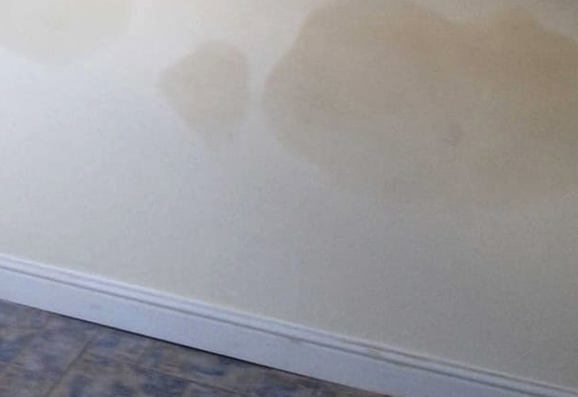
- Excess Condensation: Frequent condensation on windows, walls, or ceilings, especially during colder months, can indicate poor ventilation.
- Mold and Mildew Growth: Dampness and the presence of mold, particularly in corners or around windows, suggest high humidity levels.
- Damp or Musty Odors: Persistent musty smells are a sign of stagnant air and high moisture levels, which can be mitigated by PIV.
- Poor Indoor Air Quality: If your home feels stuffy, or occupants experience allergies or respiratory issues, PIV can help improve air circulation and filtration.
- Recurring Dampness Problems: If damp or condensation problems persist despite other efforts, PIV may provide a more consistent solution by improving airflow throughout the house.
If you notice any of these issues, a PIV system could help improve air quality and reduce moisture-related problems.
How long does PIV last?
A Positive Input Ventilation (PIV) system typically lasts 10 to 20 years with proper maintenance. The lifespan depends on factors such as the quality of the unit, the environment it operates in, and how well it is maintained. Regularly cleaning or replacing filters and ensuring the system is free from blockages can help extend its longevity. Periodic inspections by a professional will also ensure the system continues to function efficiently over time.
What causes require PIV?
PIV systems are installed to address several common causes:
- Excess Humidity and Condensation: When a home retains moisture due to poor airflow, PIV helps by supplying fresh, dry air and expelling stale, humid air.
- Mold and Dampness: A PIV system prevents mold growth by reducing the moisture levels that promote it.
- Poor Air Circulation: In homes with inadequate natural ventilation, PIV enhances airflow and reduces the accumulation of pollutants and allergens.
PIV is a proactive solution to these issues rather than something that is naturally “caused” by external factors.
How much does PIV cost?
The cost of a Positive Input Ventilation (PIV) system can vary based on requirements. Professional installation adds an additional cost, usually, depending on the complexity of the installation and your location. In total, the full cost of a PIV system, including installation, can range depending on requirements. Some systems with advanced features like heat recovery or additional filtration may be on the higher end of the price range.
Can PIV be Used on all types of buildings?
Positive Input Ventilation (PIV) can be used in most types of buildings, but its suitability depends on the structure and design of the property
Check out more of our reviews on...
A Few Words From Our Customers

I would like to say thank you to Weatherdry. Your staff were very considerate and I would highly recommend your company to anyone who is worried about their home. They are a 100% first class company.