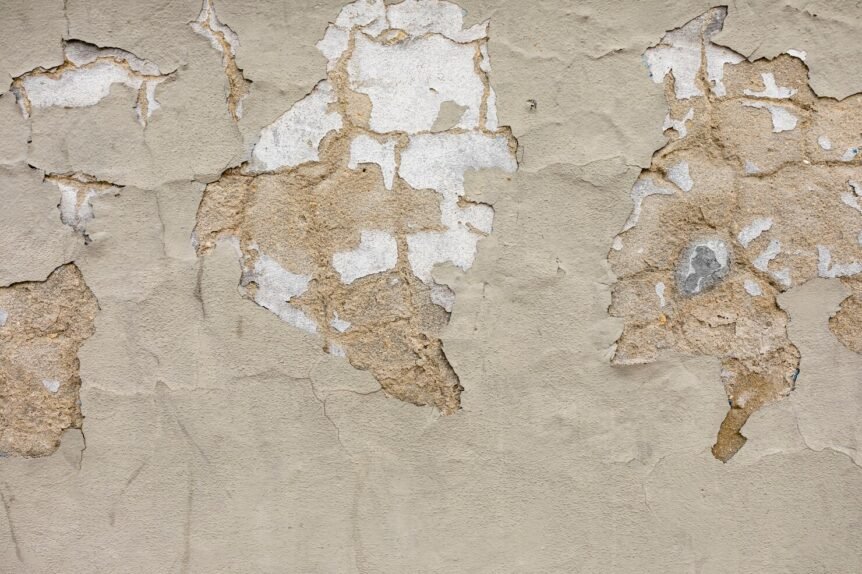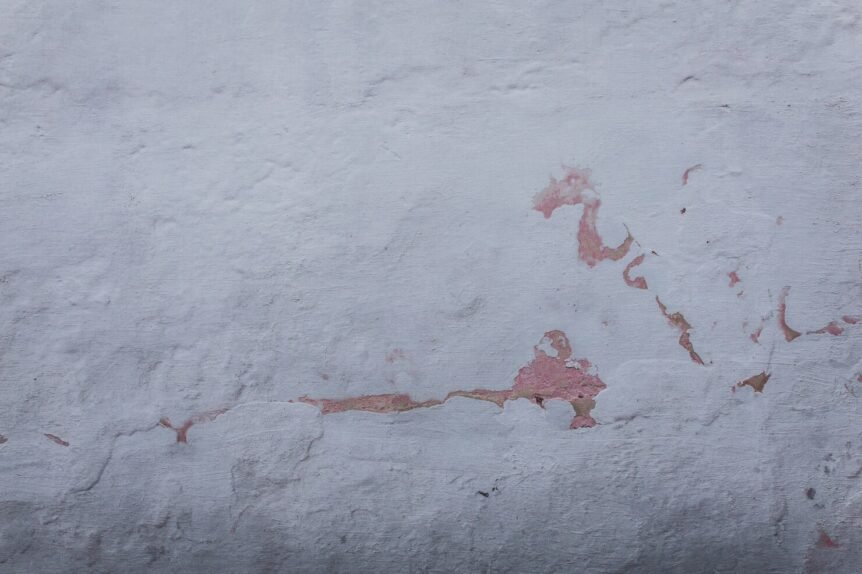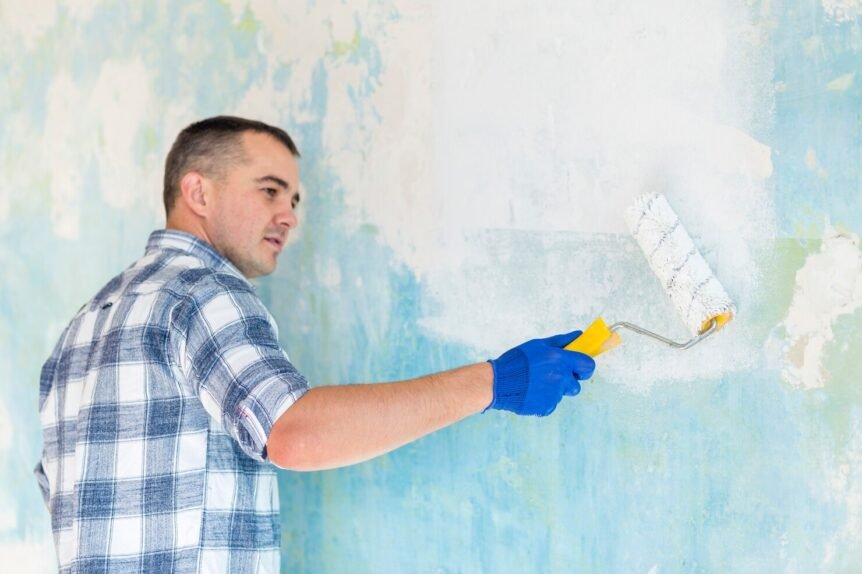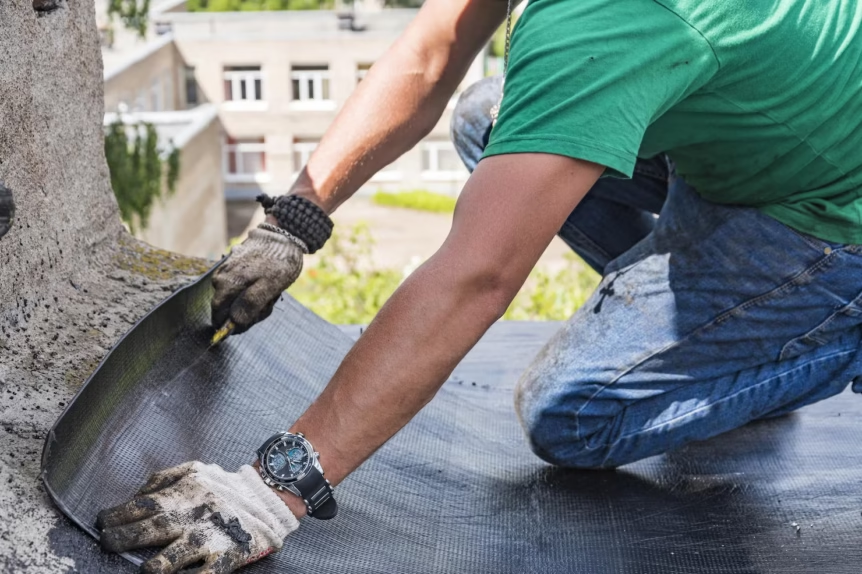

Walls have a habit of showing stress long before homeowners know what is causing it. A little blistering near the window. Flaking in the corner of the room. A stain that comes back no matter how many coats go over it. These paint problems on walls are easy to dismiss as old decoration, but they often point to something more …
Mildew Smell In House: Causes, Health Risks, And How To Get Rid Of It
A mildew smell has a way of changing how a home feels. Even when the room looks tidy, and the windows are open, that stale, earthy odour can make the whole space seem neglected, uncomfortable, or unhealthy. If you have noticed a mildew smell in your house that keeps coming back, it is usually a sign that moisture is lingering …
How To Treat Damp Walls Before Painting: Step By Step UK Home Guide
Painting a damp wall is one of those jobs that looks easy until it goes wrong. You put in the effort, the room looks fresh for a little while, and then the stain creeps back, the paint starts bubbling, or the patch turns darker again. When that happens, the problem is not usually the paint. It is the preparation. Knowing …
Can You Wallpaper Over Damp? Key Do’s & Don’ts
Wallpaper has a way of revealing secrets. It bubbles, lifts, wrinkles, and peels in ways that often say more about the wall than the pattern ever could. So when a room has a slightly damp patch or old staining, many homeowners wonder whether they can simply cover it and move on. The short answer to ‘Can you wallpaper over damp?’ …
Damp Resistant Paint Vs Damp Proof Paint: Key Differences Explained
Damp Resistant Paint Vs Damp Proof Paint: Key Differences Explained At first glance, damp-resistant paint and damp-proof paint sound almost interchangeable. They both seem to promise help with moisture; they are often sold in the same part of the shop, and both appeal to anyone staring at a wall that keeps looking slightly off. But when homeowners compare damp-resistant paint …
Is Bubbling Paint A Sign Of Damp? How To Identify And What To Do Next
Paint does not usually bubble for no reason. When it starts lifting, blistering, or forming raised patches on the wall, it is a sign that something underneath is interfering with the finish. Sometimes that issue is simple, such as poor preparation or heat exposure. Other times, bubbling paint is a sign of damp, and that is when it needs a …
Smell Of Dampness In House: Causes, Hidden Signs, And How To Fix It
Sometimes the first clue that something is wrong in a home is not what you see but what you smell. A stale, earthy odour in the hallway. A lingering musty scent in the bedroom. A strange, damp smell after rain that seems stronger near one wall than the rest of the room. Even before stains or mould appear, the smell …
Flex Paint vs Damp Proof Paint: Key Differences You Need to Know
Standing in front of a wall that looks stained, patchy, or repeatedly damp can make the paint aisle feel strangely important. Suddenly, terms like flex paint, damp-proof paint, and damp-resistant coatings all start to sound like possible answers. But before you buy anything, it helps to know what each product is actually meant to do. The comparison of flex paint …
Dry Rods Vs Chemical Injection Cream: Which Damp Treatment Is Better?
If you have been researching rising damp treatment options, you have probably come across two of the most talked-about solutions: dry rods and chemical injection cream. Both are designed to form a new damp-proof course within the wall, and both are commonly used in UK damp proofing work. But once you start comparing them, the question quickly becomes more specific. …
Damp Seal Paint Explained: What It Does And When It Actually Works
It is easy to see why damp seal paint appeals to homeowners. You spot a discoloured patch, a watermark, or a damp-looking stain on the wall, and the promise sounds simple enough. Paint over it, hide the mark, and move on. But the question many people ask before buying it is the right one: does damp-seal paint work? The answer …