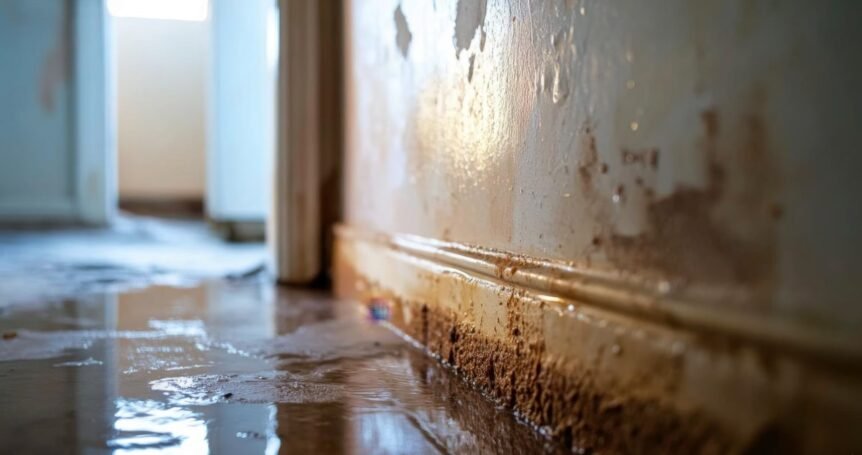
Damp issues are among the most frustrating and persistent problems for UK property owners, affecting everything from wall aesthetics to structural integrity and indoor air quality. With so much advice online, the question arises: can you fix damp yourself? In reality, DIY efforts often fall short because the underlying causes of dampness are rarely so simple. This blog addresses the …
How Does Proper Home Ventilation for Condensation Prevent Damp in Your Home?
Condensation and damp are persistent problems in UK homes, especially during colder months. Without proper ventilation, moisture from everyday activities like cooking, showering, and even just breathing can become trapped indoors. Over time, this trapped moisture forms condensation on cold surfaces and creates the ideal environment for mould and damp to develop—jeopardising the comfort, health, and structure of your property. …
How Positive Input Ventilation Prevents Mould and Mildew?
Mould and mildew are persistent problems in UK homes, especially as modern building techniques have improved insulation but reduced natural ventilation. Aside from causing unsightly patches and damage to building fabrics, mould can have serious health implications—particularly for those with allergies, asthma or respiratory issues. Managing indoor humidity and ensuring adequate airflow is crucial for preventing damp-related problems. Positive Input …
Understanding The Benefits of Dry Rod Damping for Historical Properties
Historical buildings and period homes add charm and character to our towns and cities, but they often lack modern damp‑proofing. Rising moisture can lead to peeling plaster, salt stains, timber decay, and unhealthy mould, threatening both the fabric of heritage homes and the comfort of residents. Dry rod damping offers a discreet and effective way to control moisture in older …
How Stormdry Can Help Protect Your Home from the Effects of Heavy Rain ?
Heavy rain is a familiar part of life in the UK, and over time, it can do more damage to a property than many homeowners realise. When external walls are repeatedly exposed to wind-driven rain, porous brickwork and masonry can begin to absorb water. That moisture may then lead to peeling paint, salt deposits, damp patches, mould growth, and even …
Mould vs Mildew: Understanding The Difference Between The Two
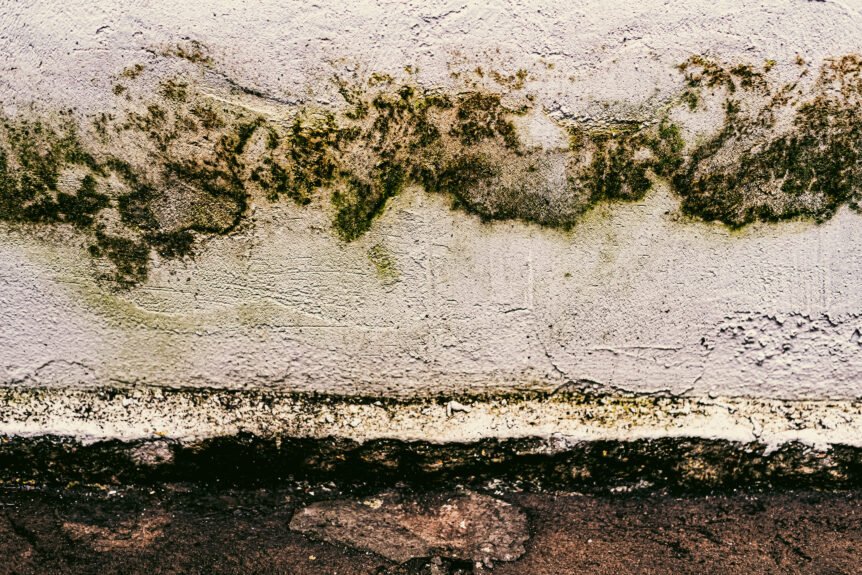
Both mould and mildew thrive in damp, poorly ventilated spaces and can damage your home and health. ‘Mould vs mildew’ is a common search query because the terms are often used interchangeably, yet understanding the difference is vital when deciding on treatment. This blog explains what mould and mildew are, how to recognise them and how to choose the right …
The Role Of Si‑Flex In Protecting Against Cold Bridging And Moisture In Walls
Cold bridging is the process by which a material with high thermal conductivity, such as steel or wood studs, passes through a building’s insulated envelope. The heat “short-circuits” the insulation at these locations, making it easier for it to escape. Cold bridges create cold surfaces where warm, humid indoor air can condense and dramatically increase heat loss through your walls. …
How To Spot The Early Signs Of Damp In Your Home: A Homeowner’s Guide
Damp is a common problem in many homes, and if left untreated, it can lead to serious issues such as mould, structural damage, and health problems. As a homeowner, it’s crucial to spot the early signs of damp to prevent further damage and costly repairs. In this guide, we’ll walk you through the key signs to look out for, how …
Why Condensation Control Is Crucial For Your Home’s Health And Longevity
Condensation is something every homeowner faces at some point, especially in the UK’s damp and chilly climate. While a little mist on your windows may seem harmless, long-term moisture build-up can cause serious structural and health problems. Condensation control is therefore essential, not just for comfort, but for protecting your property and everyone living in it. Read on to learn …
Why Home Insulation and Ventilation Go Hand-in-Hand for a Healthier Home
When most homeowners think about improving comfort and reducing energy bills, insulation is often the first thing that comes to mind. But without proper ventilation, even the best insulation can trap moisture, stale air and pollutants — leading to condensation, mould and unhealthy indoor environments. That’s why insulation and ventilation should always work together. This partnership ensures a balanced indoor …